

More than four in ten operators of rapid electric vehicle charge points failed to meet the Government's mandatory 99% reliability target during the first full year that the rule was enforced, according to new figures published by the Department for Transport.
The data forms part of the DfT's Automated and Electric Vehicles Act 2018 Regulatory Report, which monitors progress on the UK's EV charging regulations. This latest report covers the period from January to December 2025, building on an earlier reporting window that ran from July 2023 to December 2024.
The figures show that only 57% of charge point operators (CPOs) reported hitting the required 99% or higher annual reliability rate across their rapid networks, defined as chargers rated at 50kW and above. A larger proportion, 80%, managed to reach at least 95% reliability, but this still falls short of what the law demands.
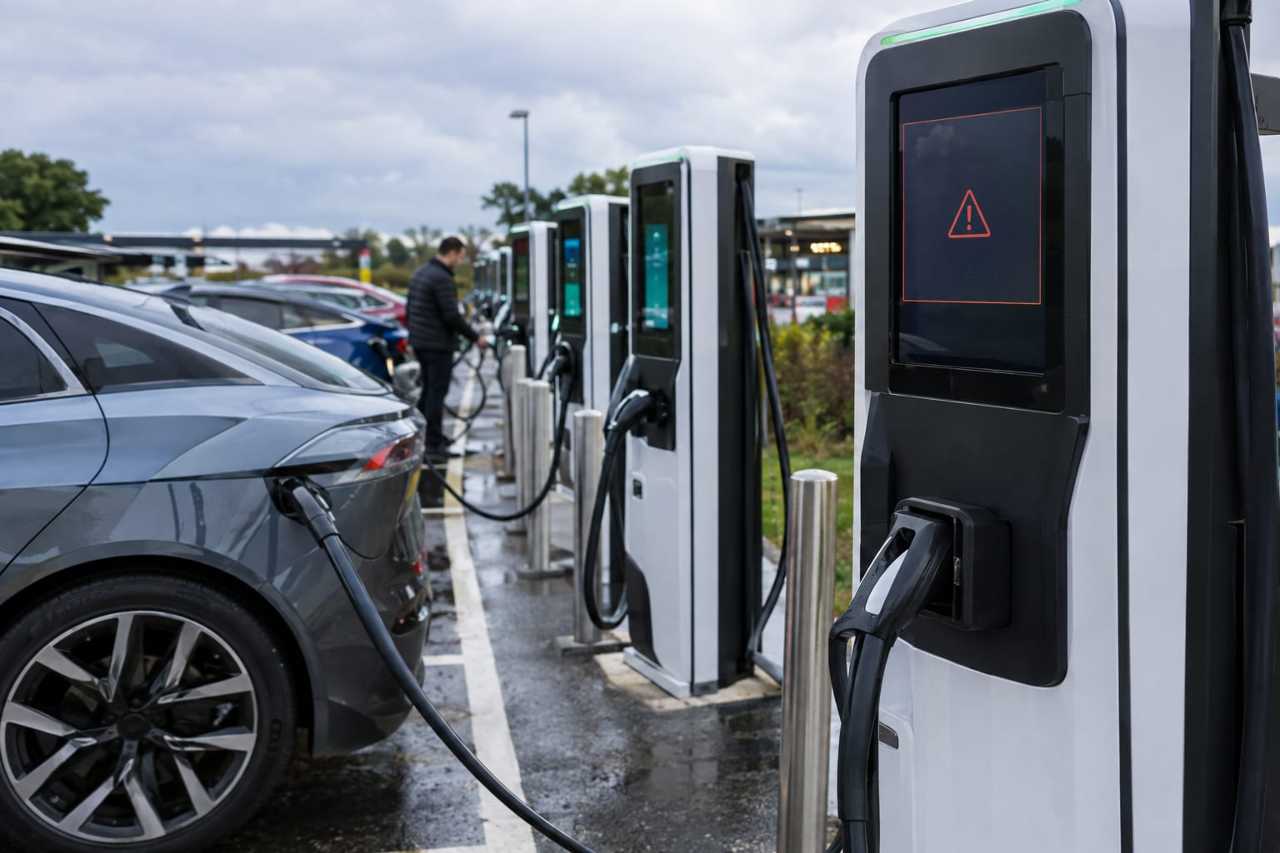

The 99% uptime requirement is set out in the Public Charge Point Regulations 2023, which legally obliges operators to maintain that average level of reliability across their rapid charging networks and to publish annual reports confirming their compliance.
The 2025 figures were drawn directly from operators' own compliance reports, which were submitted in January 2026 to the Office for Product Safety and Standards (OPSS), the body responsible for enforcing the regulations.
Alongside the reliability statistics, OPSS has also released separate data covering other consumer protection requirements built into the regulations, including provisions on helplines, open data access, contactless payment options and pricing transparency. Compliance across these wider rules was found to be mixed, with some operators meeting the standards while others fell short.

The findings highlight ongoing concerns about the dependability of the UK's public charging infrastructure at a time when drivers are increasingly relying on rapid chargers for longer journeys. While the regulations were designed to give EV drivers confidence that rapid chargers would be available and working when needed, the latest figures suggest a significant minority of networks are still not meeting that bar more than a year into enforcement.
With annual compliance reporting now established as a regular feature of the regulatory framework, attention will turn to whether operators who missed the target in 2025 are able to close the gap in future reporting periods, and how OPSS chooses to respond to continued shortfalls in reliability across the sector.
Source: Fleet World
Earlier in this series: Relaxed EV Sales Targets Will See UK Miss Climate Goals and Cost Drivers £29bn in Lost Savings, Advisers Claim