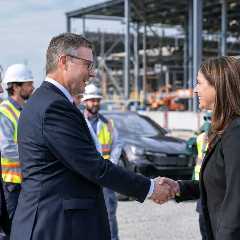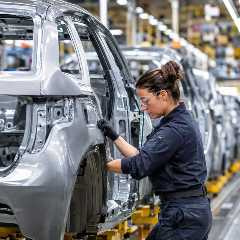
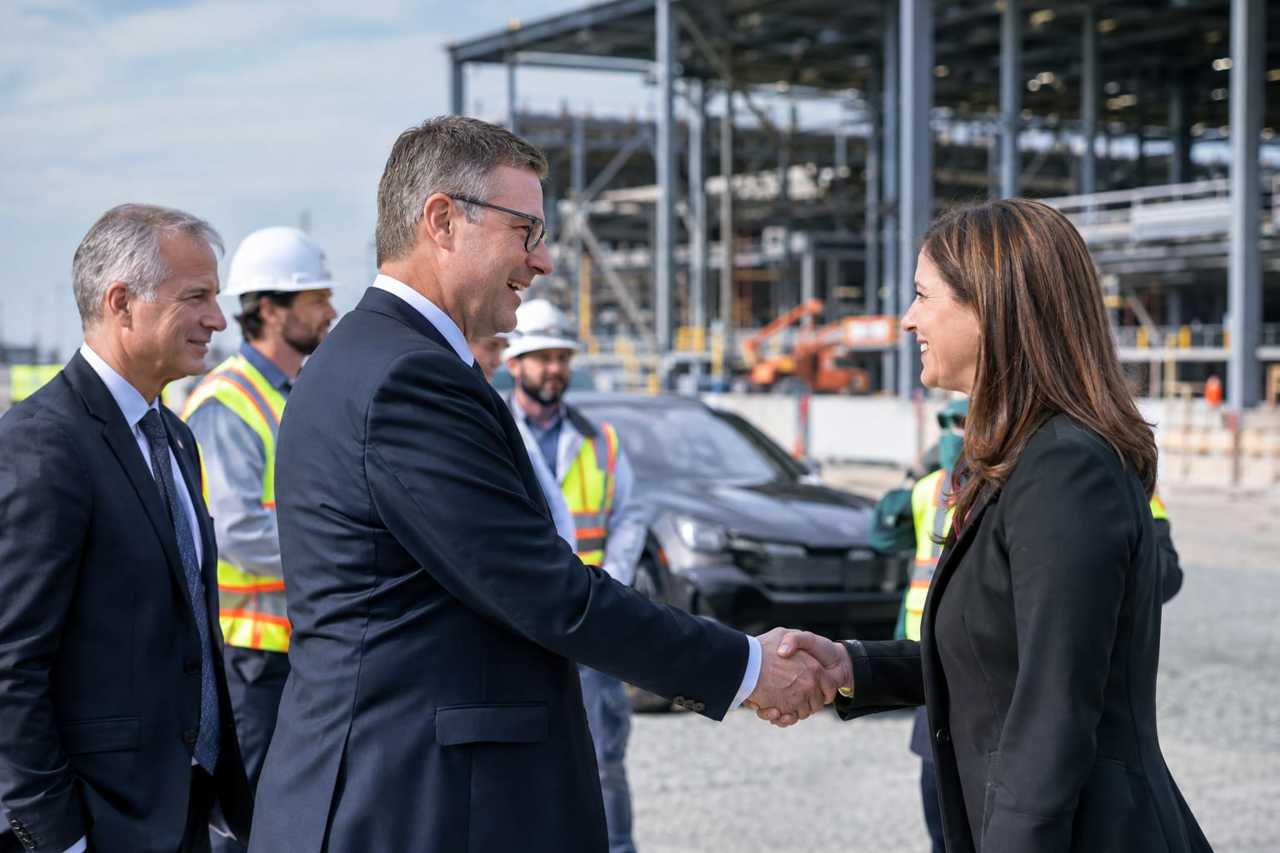
Audi is preparing to invest $4 billion in its first full-scale production plant in the United States, according to a report from Steel Market Update, with Georgia emerging as the location for the automaker's newest manufacturing footprint. The move marks a significant expansion for the German automaker, which has historically relied on imports and limited assembly operations to serve the US market rather than building vehicles domestically at scale.
The investment, if finalized as reported, would represent one of the largest single commitments by a foreign automaker to US manufacturing in recent years. It also reflects a broader trend among global carmakers to localize production in North America, driven by a mix of policy incentives, supply chain considerations, and the push toward electric vehicle manufacturing that has reshaped the automotive industry over the past several years.
Audi, part of the Volkswagen Group, has lagged behind some competitors in establishing dedicated US manufacturing capacity. Rivals including Mercedes-Benz, BMW, and Volkswagen itself have operated American plants for years, producing vehicles closer to consumers while also qualifying for various federal and state incentives tied to domestic production and electric vehicle credits. A new Audi facility would allow the brand to compete more directly on cost and delivery timelines while potentially tapping into tax credits available under US clean energy and manufacturing legislation.

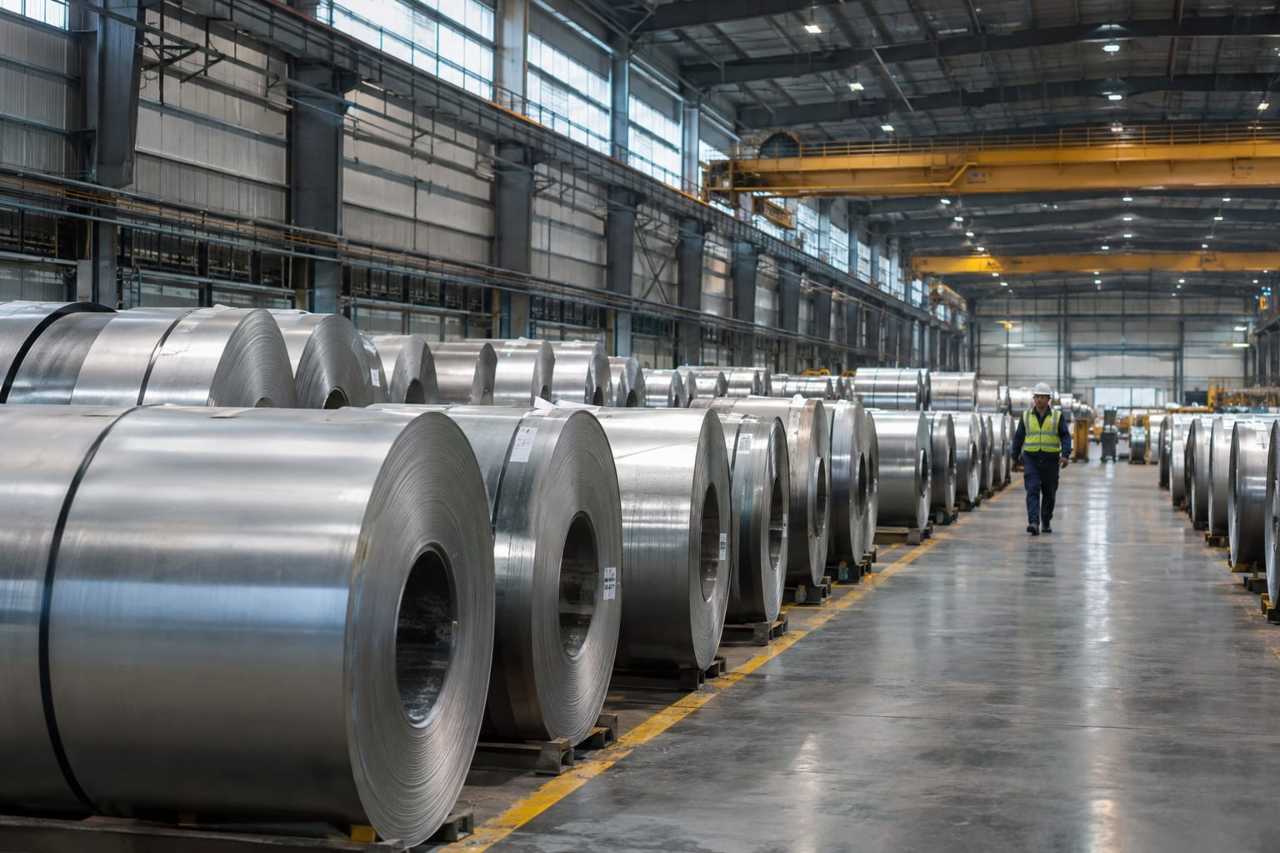
For the steel industry, a new automotive plant of this scale carries significant implications. Automotive manufacturing remains one of the largest end markets for flat-rolled steel products, and a greenfield facility of this size would require substantial volumes of sheet steel for body panels, structural components, and related parts. New plant announcements are closely watched by steel producers and service centers as indicators of future demand, particularly as the industry navigates fluctuating pricing, tariff policy, and capacity decisions.
The choice of Georgia aligns with a broader pattern of automotive and battery investment concentrated in the Southeastern United States, where states have offered aggressive incentive packages to attract manufacturing jobs. The region has already become a hub for electric vehicle and battery production, with major commitments from companies such as Hyundai, Rivian, and others establishing or expanding operations nearby.
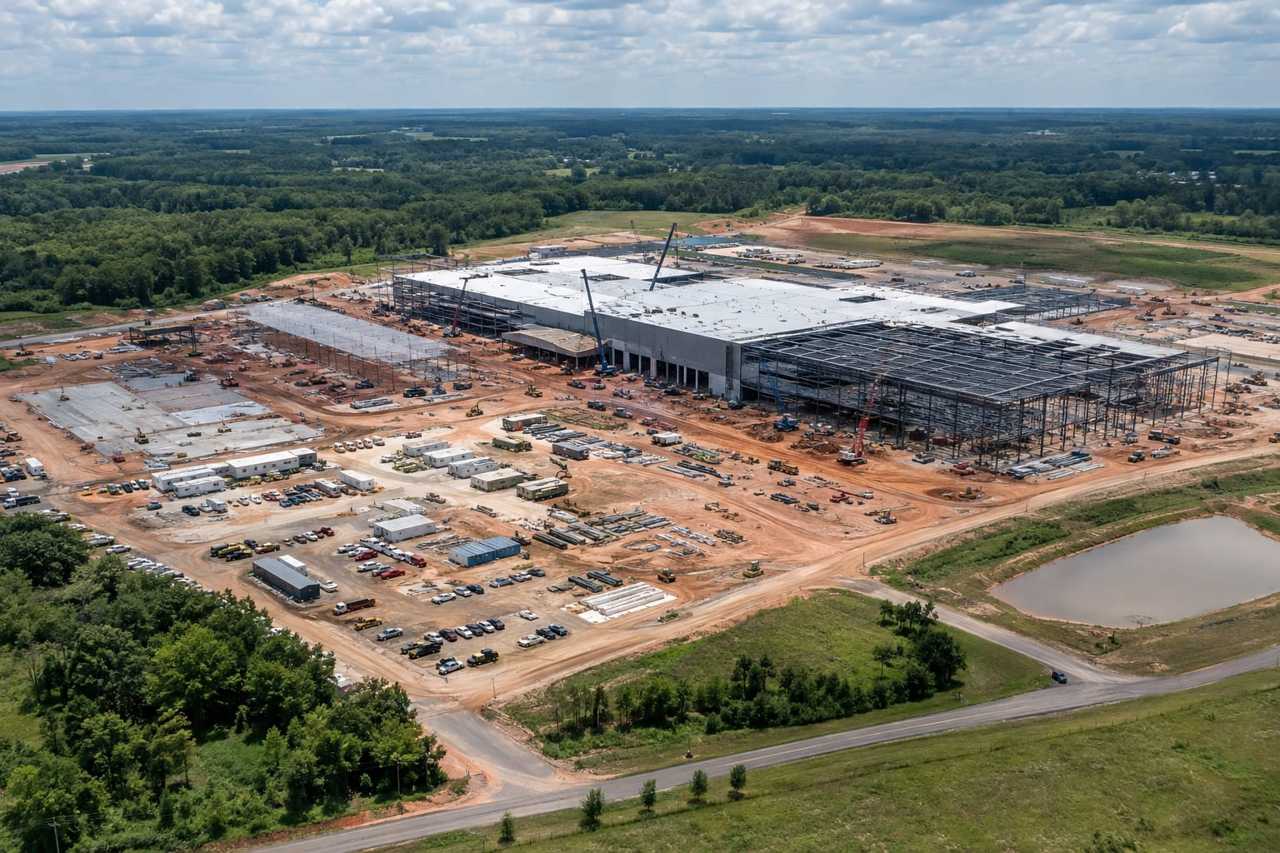
Details on the plant's exact production capacity, vehicle lineup, and timeline for completion were not immediately available. Audi has not publicly confirmed the specifics of the investment beyond what has been reported. Further announcements are expected to clarify job creation targets, construction schedules, and whether the facility will focus on electric vehicles, combustion models, or a mixed lineup as the company balances its transition strategy with current market demand in the US.
Source: Steel Market Update
Related reading from us: Audi Taps Thomas Fuhr to Head Its Formula 1 Engine Operation