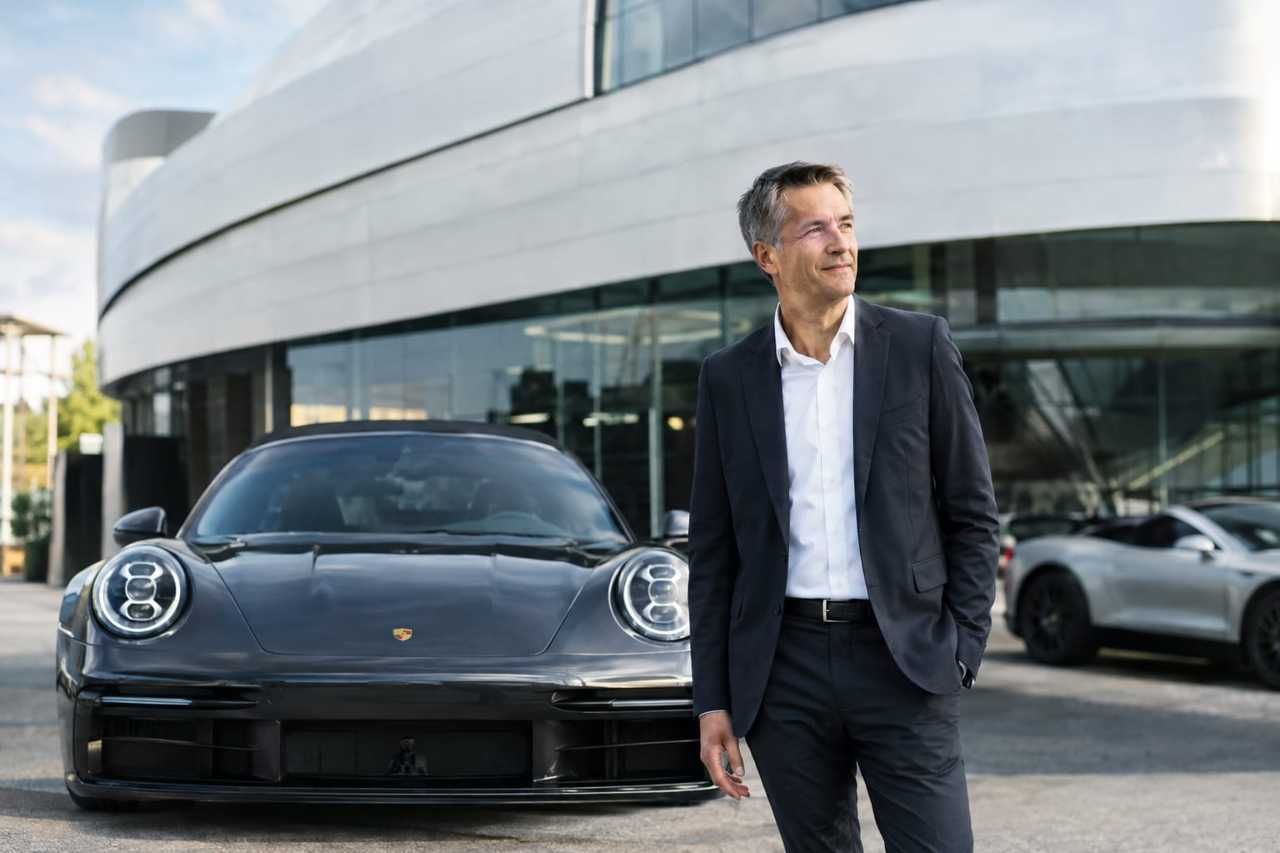
Porsche has reported an increase in operating profit even as the number of vehicles it delivered to customers fell, according to the latest figures covered by Just Auto. The result underscores the German sports car maker's long-standing strategy of prioritizing pricing power and margin over sheer sales volume, a formula that has helped it remain one of the most profitable automakers in the world even as broader market conditions grow more challenging.
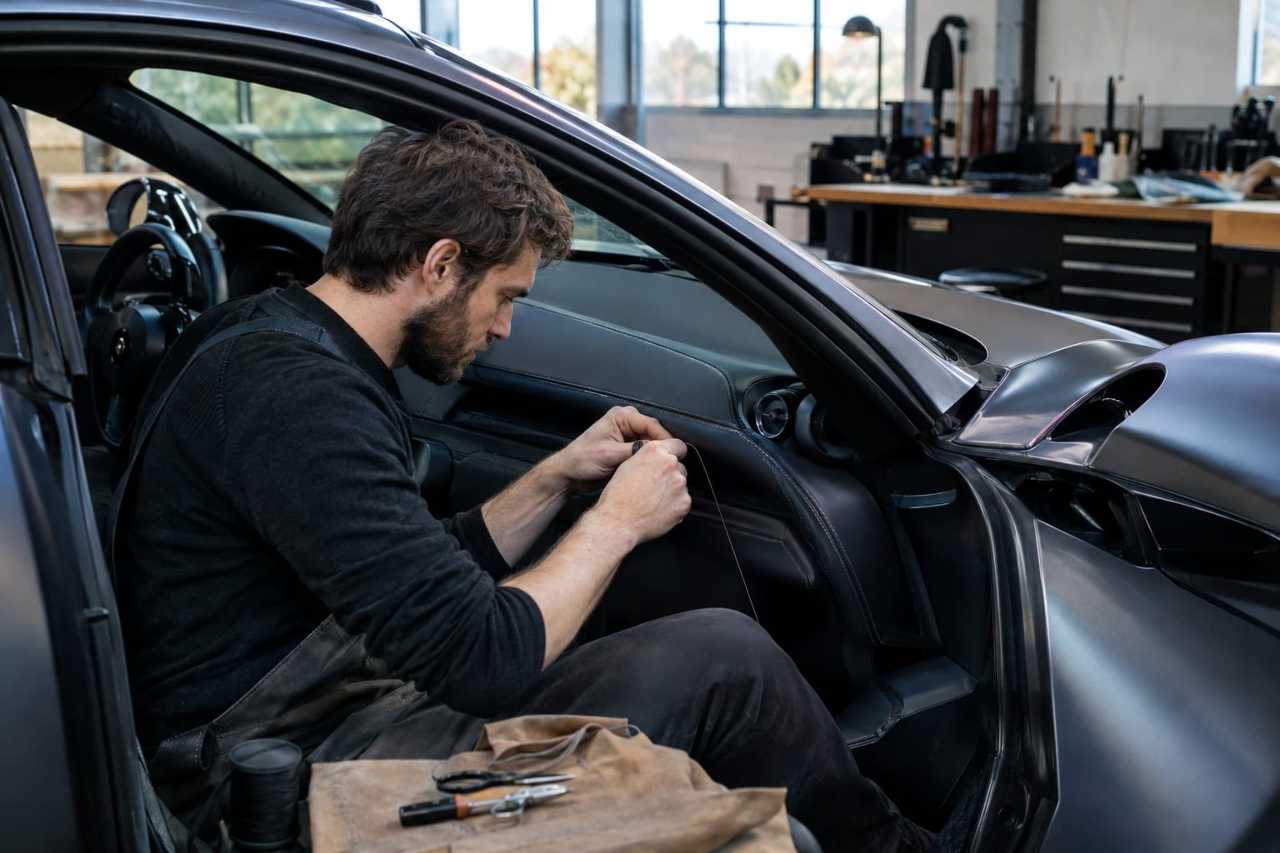
The exact figures behind the earnings update were not detailed in the available summary, but the headline trend fits a pattern that has defined Porsche's approach for years. Rather than chasing market share through discounting or aggressive volume targets, the Stuttgart-based manufacturer has focused on a mix of higher-margin models, strong demand for bespoke customization through its Exclusive Manufaktur program, and disciplined inventory management. That strategy has allowed the company to post resilient profitability even in periods when unit sales soften.

Lower deliveries have been a recurring theme across the luxury and premium automotive sector in recent quarters, as manufacturers contend with a mix of softening demand in key markets, lingering supply chain constraints for certain components, and a slower-than-expected transition to electric vehicles among some customer segments. Porsche, like other premium brands, has also had to navigate shifting conditions in China, historically one of its most important markets, where local competition and changing consumer preferences have weighed on sales of imported luxury vehicles.
Despite these headwinds, Porsche's ability to grow operating profit while deliveries decline suggests the company is successfully offsetting volume losses through pricing, model mix, and cost control. Premium brands with strong order books and loyal customer bases are often better positioned to weather downturns in unit sales because a larger share of their revenue comes from higher-spec vehicles, options packages, and after-sales services rather than base-model volume alone.
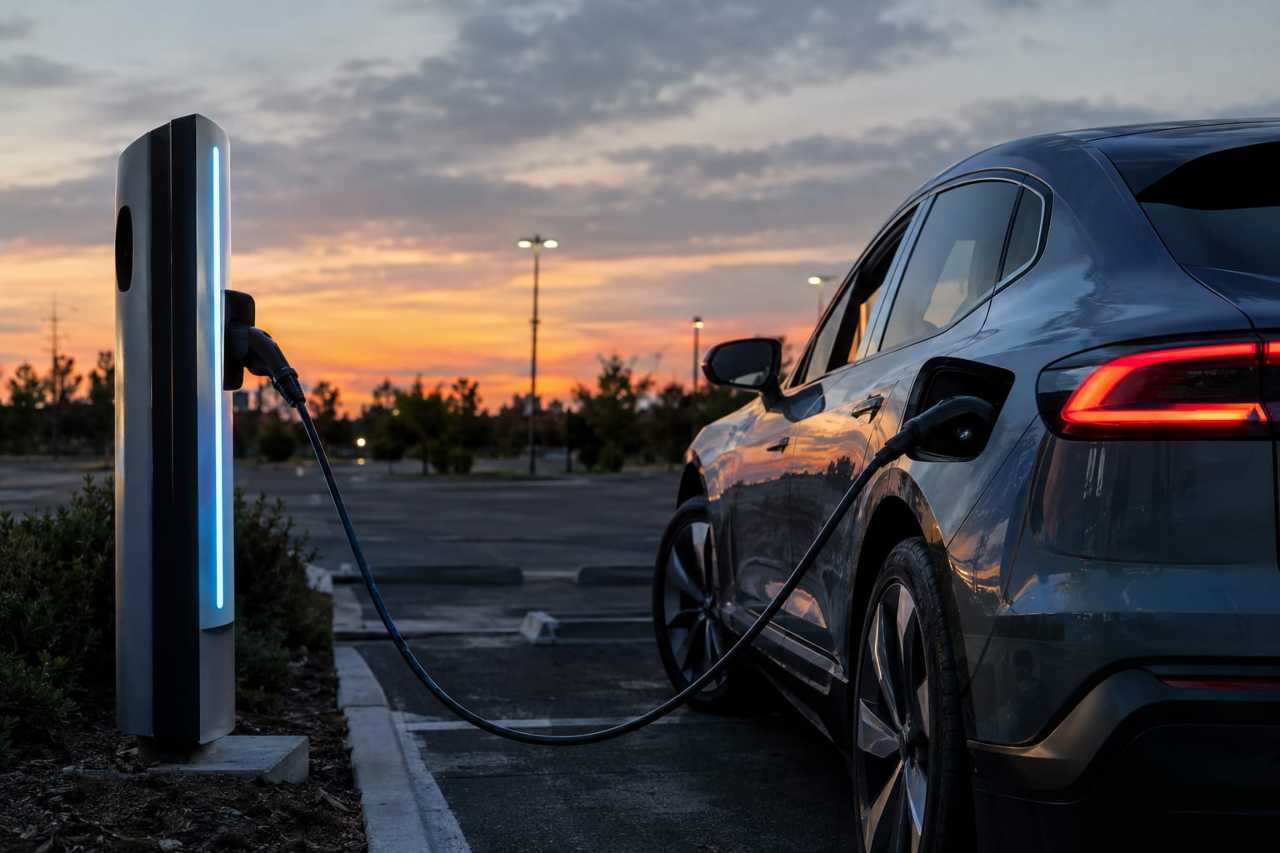
The results come as Porsche, majority-owned by Volkswagen Group, continues to balance its traditional combustion and hybrid lineup with an expanding range of electric models, including the Taycan and the electric Macan. The pace of EV adoption among Porsche's customer base, as with many luxury marques, has been uneven, and the company has had to recalibrate elements of its electrification timeline in response to market feedback.
As automakers across the industry report earnings this season, Porsche's performance is likely to be viewed as a benchmark for how premium brands can sustain profitability even when sales volumes soften, reinforcing the value of its long-standing emphasis on margin over mass-market growth.
Source: Just Auto
Our last article on this: Porsche Pulls Back From China as Deliveries Slide 16%