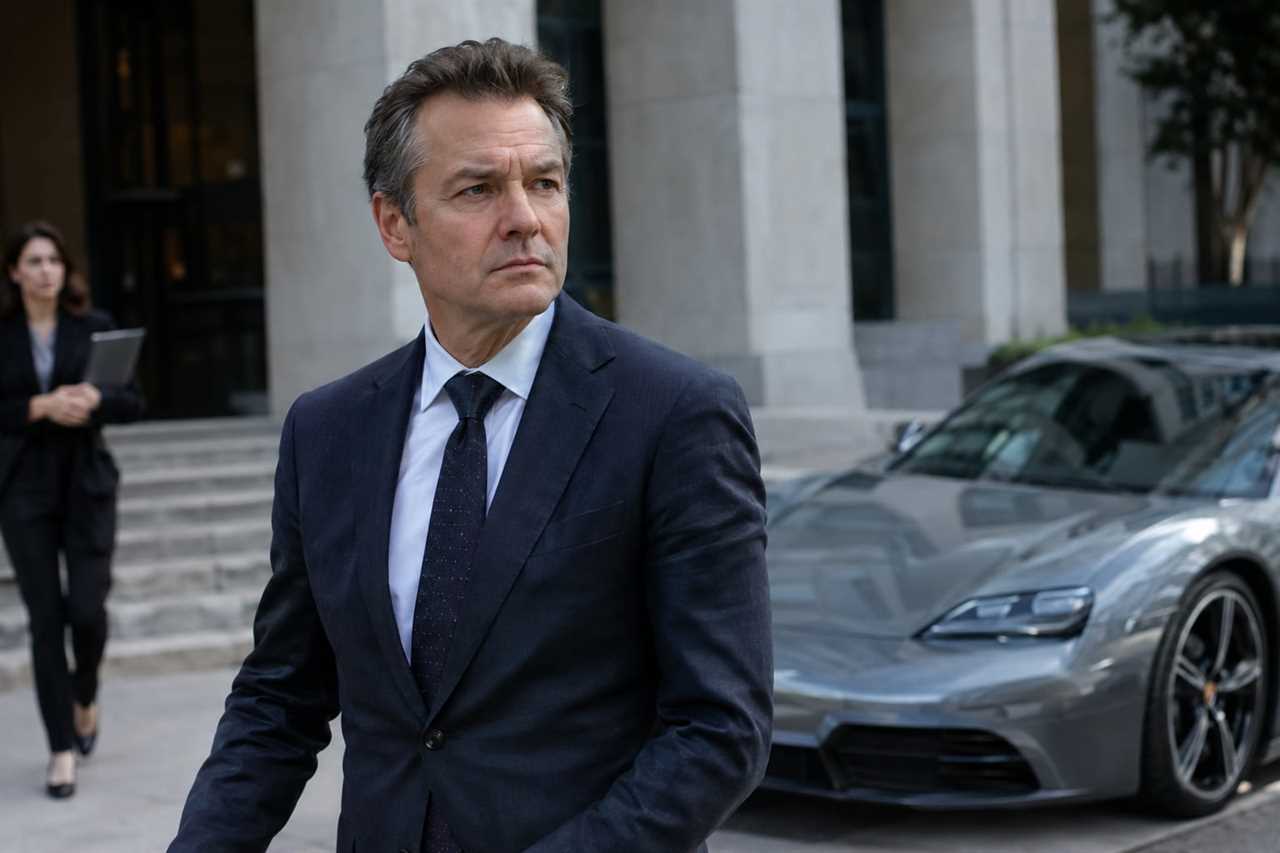
Porsche has failed in its attempt to have a class action lawsuit over Taycan battery fires thrown out of court, according to a new report from Autoblog. The ruling means the automaker will now have to face the claims of Taycan owners who allege that the electric sports sedan's battery pack poses an unreasonable fire risk, rather than having the case dismissed at an early stage.
While the specifics of the court's reasoning have not been detailed, the outcome represents a significant setback for Porsche, which had sought to end the litigation before it could move forward. Class action lawsuits of this kind typically allow a group of similarly situated plaintiffs — in this case, Taycan owners — to pursue claims collectively rather than filing individual suits, which can make the litigation more costly and more difficult for a defendant to resolve quietly.
The Taycan, Porsche's first fully electric model, launched with considerable fanfare as the brand's answer to the growing demand for high-performance EVs. Since then, it has become an important pillar of Porsche's lineup alongside newer electric offerings. Like other EVs, the Taycan relies on a large lithium-ion battery pack, and battery fires — while statistically rare compared to fires in gasoline-powered vehicles — have drawn outsized attention from regulators, safety advocates and the media because of how difficult they can be to extinguish and the potential for thermal runaway, where a single damaged cell can trigger a chain reaction throughout the pack.
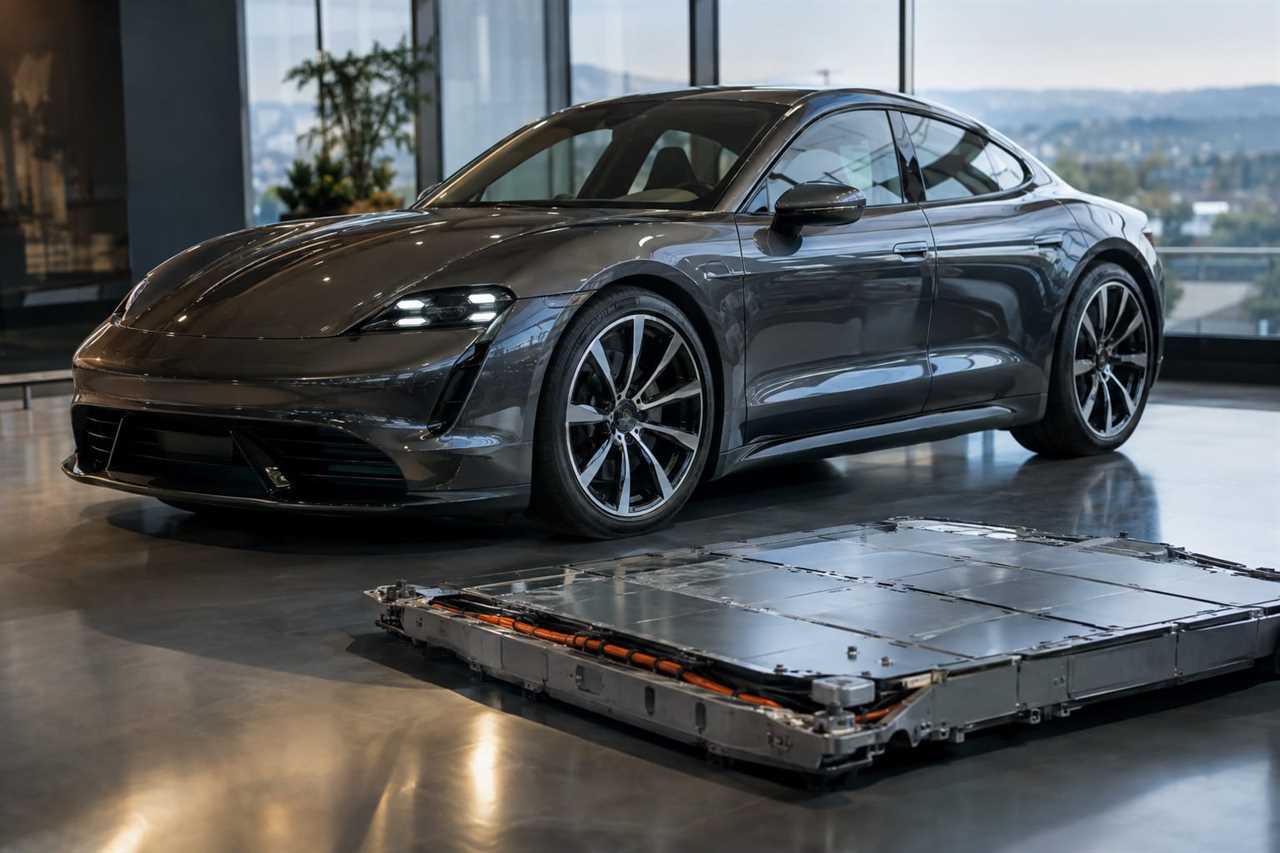
Automakers across the industry have faced scrutiny and, in some cases, recalls tied to battery fire risks as EV adoption accelerates. Lawsuits like this one add to the pressure companies face to prove their battery systems are safe, both to satisfy regulators and to protect their brand reputation among consumers who are increasingly weighing EV ownership.
With Porsche's motion to dismiss rejected, the case is expected to proceed through further stages of litigation, including discovery, where plaintiffs' attorneys will be able to obtain internal company documents and other evidence related to the design, testing and any known issues with the Taycan's battery system. Porsche has not publicly detailed its next steps, and it remains to be seen whether the company will attempt to settle the claims or continue fighting the lawsuit in court.
For now, the ruling keeps alive one of the more closely watched legal challenges facing an automaker over EV battery safety, and it will likely be watched closely by other manufacturers navigating similar risks as electric vehicles become more common on the road.
Source: Autoblog
 FerrariPorscheLamborghiniAudiJLRMercedesEVAston MartinBMWMclarenPrivacy PolicyTerms And Conditions