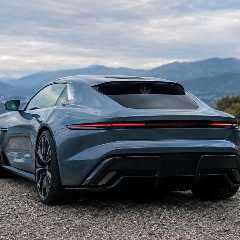
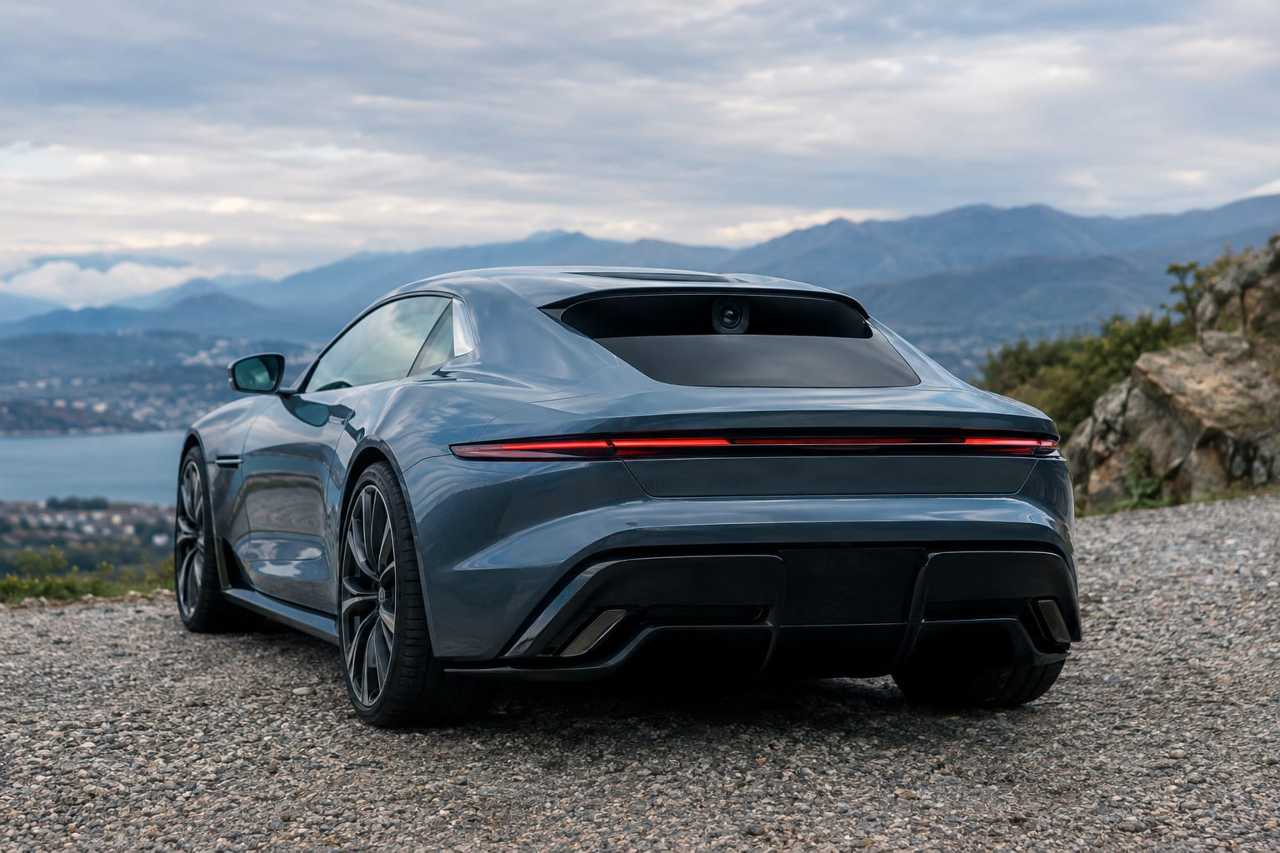
Jaguar is preparing to launch its first all-electric grand tourer, and one of the most striking details to emerge about the car is that it will do away with a traditional rear window entirely, relying instead on a camera-based system to give drivers a view of what’s behind them.
The move marks a significant departure from decades of automotive design convention and underscores how aggressively Jaguar is reinventing itself as it transitions to a fully electric lineup. The British automaker has already signaled a dramatic shift in direction, unveiling bold concept vehicles and a radically overhauled brand identity aimed at repositioning Jaguar as a maker of exclusive, design-forward electric vehicles rather than the more conventional luxury sedans and sports cars it has historically produced.

Replacing a rear window with a camera system is not entirely unprecedented in the auto industry, though it remains rare. Some automakers have already introduced digital side-mirror replacements, which use small cameras and interior screens instead of glass mirrors, citing benefits like improved aerodynamics, reduced wind noise, and better visibility in poor weather or low light. Extending that philosophy to the rear window would allow Jaguar’s designers greater freedom in shaping the car’s rear end, since they would no longer need to accommodate a traditional glass panel and the sightlines it requires. For an electric GT, where aerodynamic efficiency directly affects range, eliminating a rear window in favor of a sleeker, more sculpted tail section could offer meaningful performance advantages alongside the dramatic styling statement it makes.
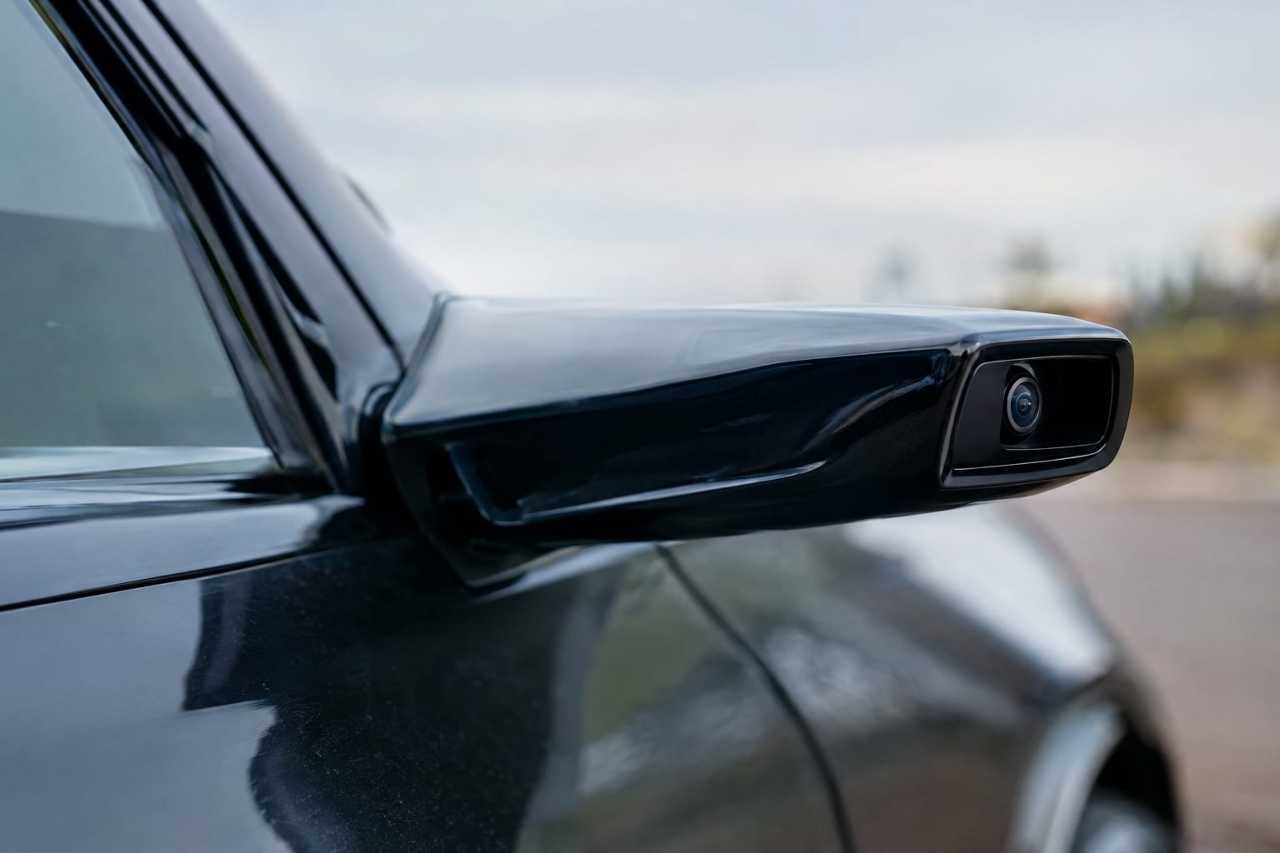
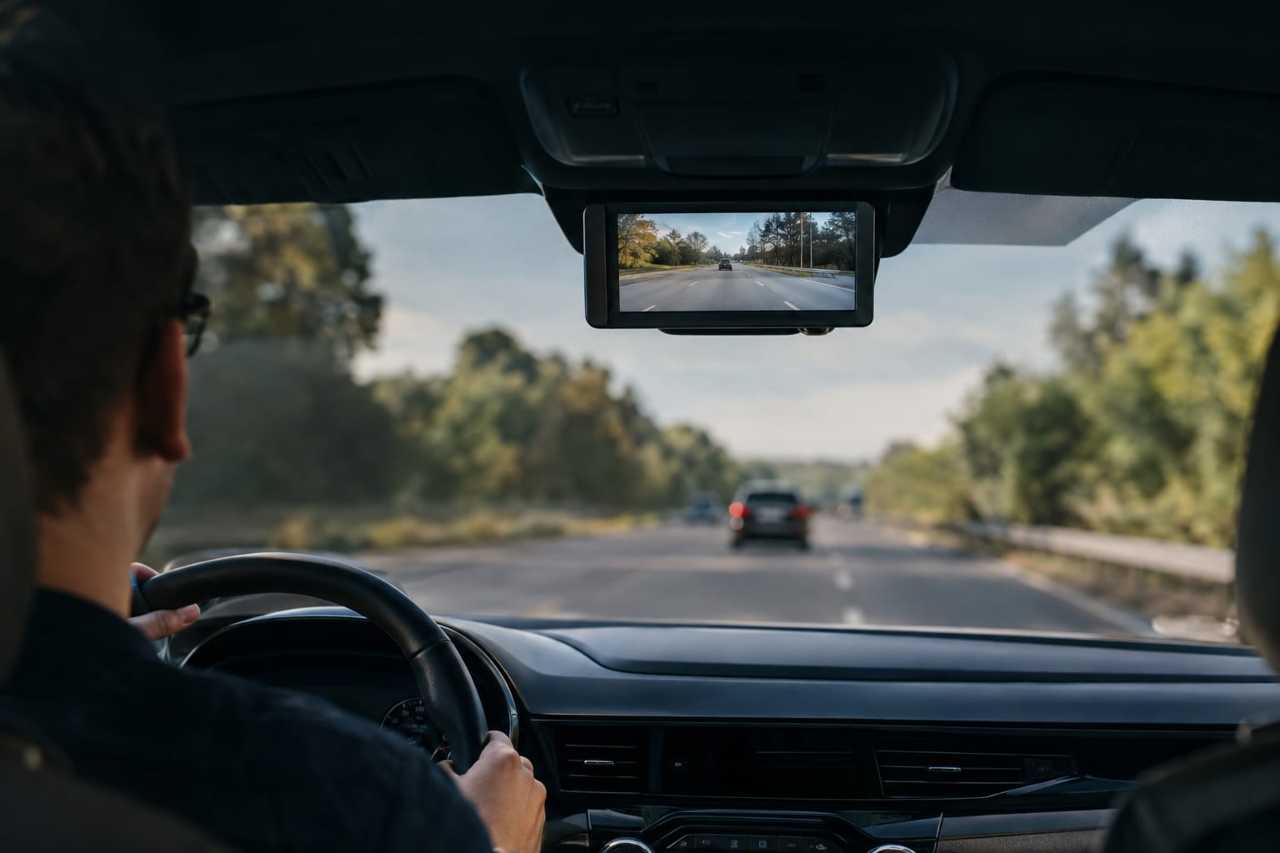
The change also reflects a broader industry trend of automakers leaning on cameras and sensors to replace or supplement traditional mechanical components, as electric vehicles increasingly serve as testbeds for new technology. Camera-based “mirrors” and visibility systems typically display a live feed on an interior screen, and some systems can enhance the image in low-light conditions or adjust the field of view dynamically, offering advantages over fixed glass.
Jaguar has not yet detailed the full specifications of the new electric GT, and it remains unclear exactly how the camera system will be integrated into the cabin or what redundancies, if any, will be included. Questions also remain about regulatory approval in different markets, since rules governing camera-based rear visibility systems vary by country and are still evolving in places like the United States.
The electric GT is expected to be among the first products to emerge from Jaguar’s reimagined, design-led era, as the company works to carve out a distinct identity in an increasingly crowded electric luxury vehicle market.
Source: FOX 56 News
Missed the last one? Jaguar Land Rover cyber-attack was ‘state-sponsored’, former minister suggests